Lights-out machining can improve production efficiency and protect lead times, but the results depend on how well the process is implemented. Without stable processes, the right equipment, and effective tool management, unattended machining can lead to downtime, scrap, and missed schedules.
This article explains what lights-out machining means, how it protects lead times on long production runs, and the equipment and processes required for success. It also covers when unattended machining is appropriate and what to look for when choosing a manufacturing partner.
What is Lights-Out Machining?
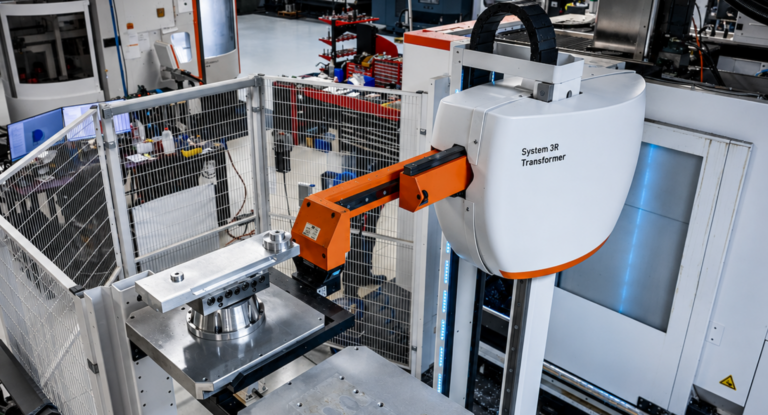
Lights-out machining, also known as lights-out manufacturing or unattended machining, is a machining process that requires little or no operator attention.
It means automating CNC machines to run for extended hours, including nights, weekends, and holidays, without continuous operator monitoring.
Lights-out machining enables manufacturers to extend production beyond traditional operating hours. However, the process is not as simple as it sounds. It requires careful planning, process stability, and reliable tooling and workholding. It also often requires technology such as bar feeders and tool-monitoring systems.
Why lights-out machining matters for long-run production
Long-run production requires manufacturers to produce thousands, or even tens of thousands, of quality parts on schedule with minimal interruption. But in practice, labor constraints, operator error, and equipment failure can affect lead times and part quality.
Lights-out machining can help address these challenges and protect lead times through:
Lower labor dependency
Fewer operators are needed when using automated machining for high-volume production. This allows manufacturers to focus labor on higher-value operations such as process optimization and quality assurance. Beyond that, lights-out machining also reduces downtime from machinist absence, ensuring continuous operations.
Reduce operator error
CNC machining automation minimizes manual handling and, in turn, human error, making it easier to consistently machine uniform parts. This matters especially in the aerospace and defense industries, where tolerances are tight.
Higher equipment utilization
Lights-out machining enables manufacturers to produce more parts in a single setup. Technology such as automated pallet systems lets the machine run for extended hours without stopping for manual loading or unloading.
Automated probing systems also help keep parts within tolerance throughout the run, while tool-life monitoring systems alert the operator or stop the operation when a tool goes bad.
Requirements for successful lights-out manufacturing
Lights-out manufacturing requires several critical factors to be successful. These include process stability, the right machinery, skilled personnel, robust tool management systems, and careful planning.
Process stability
Process stability is the foundation of lights-out machining. A machine can’t be left unattended unless the process is stable and every variable is controlled. In other words, to execute lights-out manufacturing, a manufacturer must have mastered running its operations with minimal human intervention.
Without stable, validated processes, lights-out manufacturing can lead to machine downtime, missed schedules, scrap, and expensive rework.
The right equipment
Successful lights-out machining requires equipment such as CNC lathes, CNC machining centers, automated bar feeders, and pallet systems. CNC lathes turn parts, while machining centers mill and drill them into the desired geometry.
Bar feeders automatically feed bar stock into the spindle, allowing the machine to run continuously without manual loading or unloading. Pallet systems are also required for moving workpieces between the machine tool and the pallet pool, particularly in high-volume, long-run production environments.
In some cases, robot arms may be needed to support or replace pallet systems. Many manufacturers also use automated storage and retrieval systems to store and retrieve pallets.
Tool management system
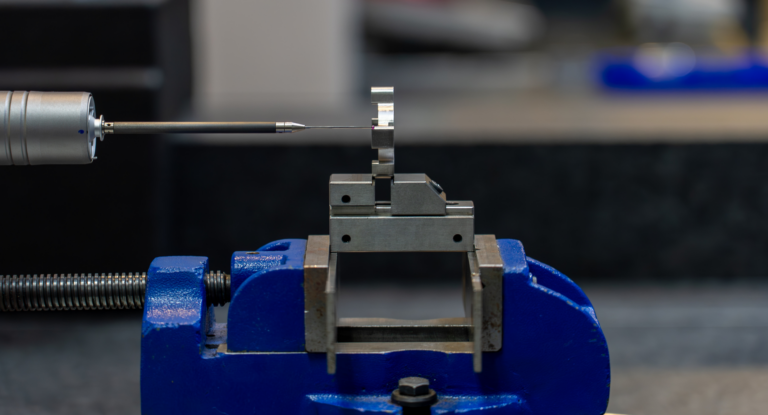
A robust tool management system is essential for efficient, uninterrupted lights-out manufacturing. Without it, a single tool issue, like breakage or wear, can waste costly materials, halt production, or damage an expensive machine.
Many modern manufacturers manage their tools using a combination of systems, including tool magazines and centralized tool storage systems. This lets them track tool inventory, monitor tool life, and trigger replacements when needed.
Probing systems
Manufacturers aiming to reduce CNC machining lead times can also benefit from probing systems. These systems cut setup and in-process inspection times, thereby reducing non-productive hours.
They measure and monitor parts throughout the machining process and trigger the controller to update offsets or stop the cycle when a part is mispositioned or out of tolerance.
Skilled operators
Although automated CNC machining minimizes human input, it does not eliminate the need for skilled personnel. Machinists, engineers, and managers are still needed for production oversight, process optimization, maintenance, and parts inspection.
When unexpected issues arise, skilled personnel are also needed to troubleshoot them. That said, automated machining can reduce the time operators spend attending to machines during long runs. For instance, it helped Gray Manufacturing Technologies, a Compass Precision company, reduce some weekend shifts to as little as 15 minutes.
Careful Planning
Careful planning is required to protect lead times through lights-out machining. To ensure the process runs efficiently, manufacturers often rely on planning software to test workflows, plan production, coordinate inventory, and manage schedules.
When is unattended machining appropriate?
Lights-out machining is most appropriate for programs that require a high volume of the same or similar parts. The production process must also be repeatable for unattended machining to work. For low-volume jobs or parts that require reconfiguration, lights-out manufacturing may not be viable.
Another factor to consider before deciding whether to use lights-out machining is the material type. Materials that can be easily machined with this process include brass, 6061 aluminum, and certain types of plastics.
That said, many Compass Precision facilities can machine difficult-to-cut materials, including titanium, Inconel, hardened stainless steel at 58–60 HRC, and tool steels such as A2 and D2, using automated CNC machining and lights-out operations. It is essential to confirm the manufacturer’s specific material and automation capabilities before committing to this process.
How to choose a manufacturer for lights-out machining?
If you are considering lights-out machining for your parts, here are some factors to consider before choosing a partner:
Availability of the right equipment
Not all CNC machining shops are equipped for automated, high-volume production. It’s essential to look for manufacturers with equipment suitable for your parts and production requirements. Depending on the job, this may include advanced mill-turn machines, 5-axis machines, Swiss machines, and automation such as pallet systems, bar feeders, and other forms of robotic machine tending.
Adequate quality control
Choose manufacturers with validated, stable processes for lights-out manufacturing. Also, confirm whether they have automated probing systems for workpiece positioning and in-process measurement. These capabilities help minimize machine downtime and scrap rates.
Experience and certifications
Confirm that the manufacturer has certifications like ISO 9001 and AS9100D. Also, assess whether they have the experience and track record to produce the types of parts your projects require.
Why Compass Precision?
Compass Precision has the right equipment, automation, and quality control measures to support lights-out machining, minimize disruption, and protect lead times on long runs. We also have additional manufacturing capabilities for secondary and finishing operations, enabling programs to stay on a single quality system from start to finish.
With a network of 11 specialized facilities across the USA, Compass Precision provides machining expertise to support the evolving program requirements of industries with zero tolerance for error. We pair each job with the facility best positioned to deliver its unique requirements, based on process expertise, capacity, and certifications.
Our credentials include AS9100D, ISO 9001:2015, ITAR, CMMC, and AWS certification. We also maintain consistent documentation, traceability, and inspection standards across our network, regardless of which shop performs the work.
Looking for a reliable manufacturer for lights-out machining? Contact Compass Precision today to learn how we can help.
Frequently asked questions
What does lights-out manufacturing mean?
Lights-out manufacturing refers to a machining process that runs for extended hours, including nights and weekends, with minimal human intervention. It lets manufacturers produce large quantities of the same part with less labor and offer partners shorter lead times.
However, for lights-out machining to be viable, it requires stable processes, the right equipment, skilled personnel, probing systems, and robust tool management systems.
Does lights-out manufacturing replace skilled machinists?
Although lights-out machining can reduce employee working hours, it does not eliminate the need for skilled personnel.
Machinists, engineers, and managers are still needed for production oversight, process optimization, maintenance, and parts inspection.
In fact, Gray Manufacturing Technologies hired more machinists and programmers to expand its lights-out production.